
Top-Rated Foundation Repair Equipment For Reliable Results
Choose from high-quality tools and materials designed to provide efficient and durable foundation repairs.
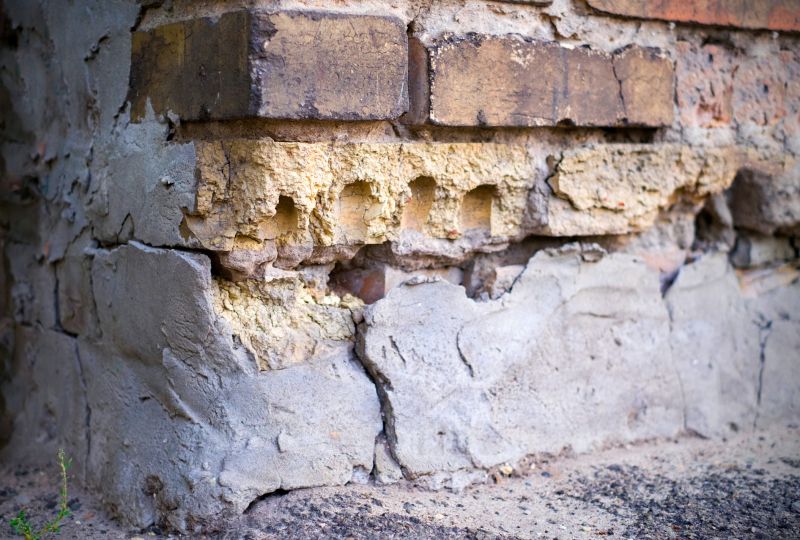 Foundation repair products are essential tools and materials used to address issues such as settling, cracking, or shifting of a building's foundation. Properly selecting the right products can help stabilize structures and prevent further damage, ensuring safety and longevity for homes and commercial buildings alike. These products come in a variety of forms, including hydraulic jacks, underpinning systems, epoxy injections, and soil stabilization solutions, each suited to different types of foundation problems.
Top Overall Option
Hydraulic Piering System
A hydraulic piering system offers a versatile approach to foundation stabilization by lifting and supporting settled or uneven foundations. It involves installing steel piers beneath the foundation and using hydraulic jacks to carefully lift and hold the structure in position. This method is adaptable to various soil conditions and foundation types, making it a popular choice among professionals. Proper installation by trained technicians ensures stability and long-term support, helping to mitigate ongoing settlement issues.
Types of Products For Foundation Repairs
Hydraulic Jacks
Used to lift and level foundations during repair procedures, hydraulic jacks provide controlled force and can be adapted for various foundation sizes.
Underpinning Piers
Steel or concrete piers installed beneath the foundation to provide additional support and stability, especially in cases of significant settlement.
Epoxy Injection Kits
Designed to fill cracks and bond concrete surfaces, epoxy injections help restore the integrity of damaged foundation walls.
Soil Stabilization Grouts
These materials improve soil bearing capacity and reduce shifting or settling caused by unstable soil conditions.
Carbon Fiber Reinforcements
Applied to cracked walls to provide additional tensile strength and prevent further cracking or movement.
Concrete Patching and Repair Mortars
Used to fill surface cracks and restore the surface integrity of foundation walls and slabs.
Helical Piles
Deep foundation supports that are screwed into the ground to provide stable support in difficult soil conditions.
Grout Pumps
Equipment used to inject grout into soil or cracks, enhancing stability and filling voids.
Void Fill Materials
Specialized foams or fillers used to stabilize soil beneath slabs or foundations that have settled.
Foundation Crack Repair Kits
Complete kits that include sealants and tools for sealing and repairing minor cracks in foundation walls.
Soil Anchors
Anchors installed into soil to resist lateral movement and stabilize slopes or retaining walls.
Pier Lifting Systems
Mechanisms designed to lift and realign foundations that have shifted or settled unevenly.
Drainage and Waterproofing Products
Materials that help manage water around the foundation, reducing soil erosion and moisture-related issues.
Vibration and Compacting Equipment
Tools used to compact soil and fill materials, improving soil stability before or after repairs.
Foundation Bolts and Anchors
Hardware used to secure structures to their foundations, providing additional reinforcement.
Popular Choices
Widely used for foundation stabilization, these systems are favored for their adaptability and strength.
Commonly selected for sealing cracks and restoring wall integrity, these kits are suitable for minor to moderate damage.
Popular in areas with problematic soil conditions, these grouts help improve foundation support.
Increasingly used for crack reinforcement, these materials provide additional tensile support.
Chosen for their ability to support deep foundations in challenging soil environments.
Commonly used to lift and stabilize settled foundations, especially in older structures.
Popular for filling voids beneath slabs and preventing further settlement.
Essential in managing water flow around foundations, reducing moisture-related issues.
Frequently used for sealing minor cracks to prevent water intrusion and further damage.
Commonly installed to reinforce structure-to-foundation connections.
Selected for repairing surface cracks and surface-level damage.
Regularly used during soil preparation and stabilization processes.
Applied to exterior or interior surfaces to prevent water infiltration.
Used in conjunction with epoxy or polyurethane injections for precise crack sealing.
Popular for stabilizing slopes and retaining walls around foundations.
When considering foundation repair options, it is important to evaluate the specific nature of the damage, the underlying soil conditions, and the structure's design. Many repair procedures involve lifting or stabilizing the foundation, filling cracks, or reinforcing weak areas. While some products are designed for DIY use, complex issues often require the expertise of professional contractors who can determine the most appropriate solutions and ensure proper installation.
In Cape Girardeau, MO, where soil conditions and building types vary, selecting reliable and effective foundation repair products is crucial. Homeowners and property managers should prioritize products that are versatile, durable, and compatible with local building codes. Proper maintenance and timely intervention can make a significant difference in prolonging the lifespan of a building’s foundation and preventing costly future repairs.
Ultimately, understanding the range of available products and their applications can help property owners make informed decisions. Whether addressing minor cracks or major structural shifts, the right foundation repair products can contribute to a safer, more stable property. Consulting with experienced professionals and choosing quality materials are key steps toward effective foundation stabilization.
Key Buying Considerations
- Assess the specific type and extent of foundation damage before selecting products.
- Consider soil conditions and how they may influence the effectiveness of certain repair materials.
- Determine whether the repair requires a DIY approach or professional intervention.
- Evaluate the compatibility of repair products with existing foundation materials.
- Prioritize products with proven durability and suitable load-bearing capacity.
- Check local building codes and regulations to ensure compliance with repair methods and materials.
- Consider the long-term maintenance requirements of the repair products used.
- Review manufacturer instructions carefully to ensure proper application and safety.
- Look for products that facilitate easy inspection and future repairs if needed.
- Account for environmental factors such as moisture and temperature fluctuations that could impact repair longevity.
- Select products that match the scale of the repair—minor cracks versus major structural shifts.
- Ensure availability of technical support or professional guidance for complex repairs.
- Compare warranties or guarantees offered by manufacturers or suppliers.
- Think about the overall cost, including potential labor, materials, and follow-up repairs.
- Choose reputable suppliers or brands known for quality and reliability.